FAST & FREE U.S. Shipping!
 Financing Available!
 Prices Locked! Beat Tariffs!
 12-Month Warranty
 Proud U.S. Company
 Now Shipping to Canada!
 Call Us Now (800) 617-9522



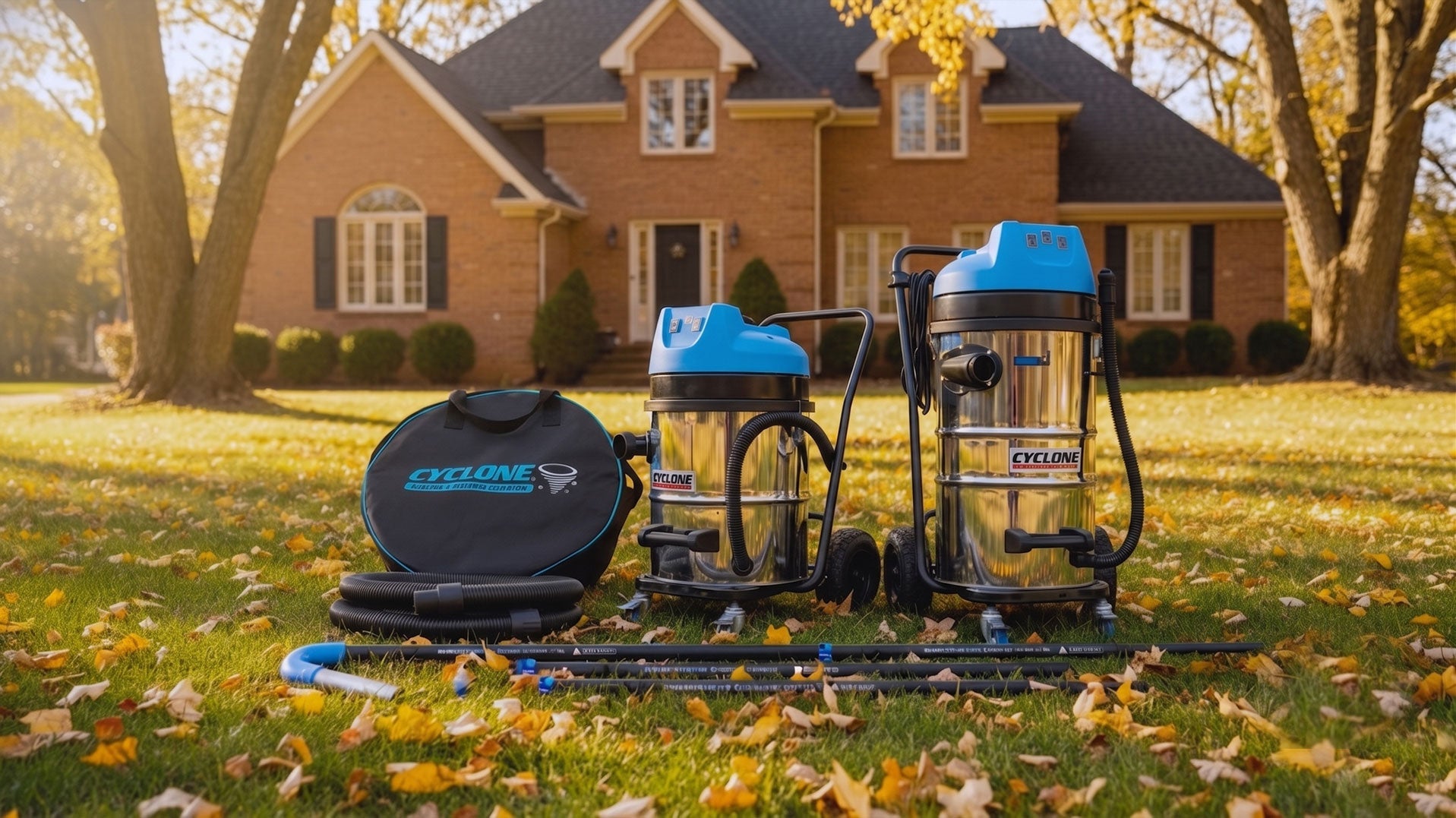
A professional gutter cleaning system is not a single product. It is a matched combination of vacuum machine, extension poles, hose, and nozzles that work together to extract debris while working safely from the ground. When any one of those components is mismatched to the others or to the job, the result is reduced suction, physical strain, clogging, or a system that simply cannot reach what it needs to reach. This guide walks through how contractors and operators select each component of a GutterProVac ground-level gutter cleaning system and why those decisions matter for daily productivity and long-term equipment performance.
Why System Selection Matters More Than Any Single Component
Most operators who struggle with a gutter vacuum setup have a component mismatch somewhere in the system. A high-powered vacuum paired with an undersized hose inlet loses suction before it reaches the nozzle. A long pole connected to a vacuum that lacks the airflow to pull debris through the full hose length creates sluggish pickup and repeated clogging. The right vacuum on a site without 240V power and without a generator does not run at all.
Gutter cleaning from ground level eliminates ladder hazards, reduces liability, and allows a single operator to service a full route more efficiently than traditional methods. But ground-level cleaning with a vacuum system only delivers those advantages when the vacuum, pole, hose, and nozzle are sized and matched correctly for the job. This is the decision framework contractors use to get that match right before they buy.
The Vacuum Machine: Power, Voltage, and Tank Capacity
The vacuum machine determines the suction force available at the nozzle. Two specs define that performance: water lift and airflow in CFM. Water lift measures the vacuum's ability to pull debris vertically. CFM measures the volume of air moving through the system per minute. Both matter, and a high number on one without the other does not produce the debris pickup the operator needs on the job.
Cyclone Classic Pro 2200W: 120V Residential Systems
The Cyclone Classic Pro 2200W is GutterProVac's residential-grade dual-motor vacuum system. It delivers 95 inches of water lift and 119 CFM airflow, runs on standard 120V household current, and is available in 16-gallon and 20-gallon stainless steel tank configurations. The 2-inch ID polypropylene side inlet creates cyclonic action inside the tank that separates debris from the airstream and helps maintain consistent suction during wet debris recovery. A built-in float valve automatically shuts the motors off when the tank reaches capacity, protecting the motors from water ingestion.
At 59 pounds (20-gallon configuration), the 2200W system is maneuverable enough for residential routes. The reusable cloth filter works in both wet and dry conditions, eliminating the recurring cost of disposable filters. The 16-gallon tank suits properties where debris loads are lighter and operators prefer a more compact machine. The 20-gallon tank reduces emptying frequency on larger properties or denser routes. The included hose is 16 feet with a 2-inch internal diameter, which supports consistent airflow through the system without restriction.
Key configurations available with the Cyclone Classic Pro 2200W include the 16-gallon system with 20ft carbon clamping poles and the 20-gallon system with 20ft carbon clamping poles, both suited to single and double-story residential properties. The 20-gallon system with 28ft carbon clamping poles extends reach for taller residential structures and light commercial work.
Cyclone Classic Pro 3600W: 240V Commercial Systems
The Cyclone Classic Pro 3600W is GutterProVac's commercial-grade triple-motor vacuum system. Three independent 1200W motors deliver 95 inches of water lift and 342.6 CFM airflow, nearly three times the airflow volume of the 2200W residential system. This higher airflow is the defining performance difference for heavy debris loads, wet sludge, compacted material, and standing water that residential systems handle more slowly.
The 3600W system requires a 240V / 30-amp electrical source and must be operated with a gas-powered generator providing a minimum of 5,000 peak watts (5,500 running watts) with a 4-prong NEMA push-and-twist socket. This power requirement is the most important planning variable for operators considering the commercial system. Sites without accessible 240V power need a generator, and that generator needs to meet the minimum specification. Running the system on undersized generator power will prevent it from operating correctly and voids the warranty.
The 3600W system is available in 16-gallon and 20-gallon stainless steel tank configurations. The 2-inch ID polypropylene side inlet, auto shut-off float valve, reusable cloth filter, integrated drain hose, welded steel cart, and all-terrain wheels are standard across both tank sizes. Key configurations include the 16-gallon system with 28ft carbon clamping poles and the 20-gallon system with 28ft carbon clamping poles. For maximum reach, the 16-gallon system with 40ft carbon clamping poles handles taller commercial structures from the ground.
Tank Capacity: How It Affects Workflow, Not Suction
A larger tank does not produce stronger suction. Both the 16-gallon and 20-gallon configurations within each power tier deliver the same water lift and CFM. Tank capacity determines how long the operator can run before stopping to empty, which affects productivity on larger jobs or routes with heavy debris. On a route with multiple smaller residential properties, a 16-gallon tank may empty between stops without causing meaningful downtime. On a large property with heavily loaded gutters or a commercial site with sustained debris removal, a 20-gallon tank reduces interruptions. The decision is a workflow decision, not a performance decision.
Comparison Table: GutterProVac Vacuum System Specs
| System | Power | Voltage | Water Lift | Airflow | Tank Options | Power Source |
|---|---|---|---|---|---|---|
| Cyclone Classic Pro 2200W | 2200W (dual motor) | 120V | 95 inches | 119 CFM | 16 gal, 20 gal | Standard outlet |
| Cyclone Classic Pro 3600W | 3600W (3x1200W) | 240V | 95 inches | 342.6 CFM | 16 gal, 20 gal | Generator required (min. 5,000 peak watts) |
Extension Poles: Reach, Material, and Connection System
Extension poles bridge the vacuum hose and the gutter nozzle, allowing the operator to work from the ground at heights that would otherwise require a ladder. Pole selection involves three decisions: material, length, and connection system.
Carbon Fiber vs. Aluminum Poles
GutterProVac offers poles in carbon fiber with a clamping connection system and aerospace-grade aluminum. Carbon fiber poles are significantly lighter than aluminum poles of equivalent length, which matters considerably when working at 28 or 40 feet of reach for extended periods. The lower section of GutterProVac carbon gutter poles includes a layer of DuPont Kevlar woven into the carbon fiber structure, reinforcing the most frequently handled part of the pole against the bumps and drops that happen on active job sites.
Aluminum poles provide a durable, cost-effective option for operators who work at shorter reaches or who prioritize initial equipment cost over long-term operator fatigue. At 20-foot reach for single and double-story residential properties, the weight difference between carbon and aluminum is less consequential than at 28 or 40 feet, where the carbon fiber advantage becomes clearly felt after a full day of cleaning.
Pole Length and Effective Reach
GutterProVac systems are available with 20-foot, 28-foot, and 40-foot pole configurations. GutterProVac describes 28-foot pole systems as suited for cleaning gutters on 2 to 3 story buildings from the ground. The 40-foot configuration handles taller commercial structures. Ground slope, gutter setback, and working angle all affect how much of the rated length translates to usable reach on a specific site. Operators should assess each site before finalizing pole length selection.
Clamping Connection System
Both GutterProVac carbon and aluminum pole kits use adjustable clamps between each pole section to hold them securely in place. The quick-release clamp design locks each section at the correct position while allowing fast setup, height adjustment, and breakdown without tools. The carbon clamping gutter pole nozzle connector ensures a secure, airtight fit between carbon pole assemblies and the nozzle, maintaining suction integrity through the full system length.
Hoses: Diameter, Length, and Reinforcement
The hose carries debris-laden air from the nozzle through the pole and into the vacuum tank. Any restriction in the hose reduces the CFM available at the nozzle, which directly reduces pickup effectiveness.
GutterProVac Cyclone Classic Pro vacuum systems include a 16-foot hose with a 2-inch internal diameter as standard. The 2-inch ID matches the system's 2-inch side inlet, maintaining consistent airflow from nozzle to tank without creating a restriction point at the connection. The Cyclone Classic Pro 2-inch side inlet coupling gasket is available separately for operators who need to replace the gasket fitting at the machine's side inlet.
Nozzles and Accessories: The Point of Contact With the Gutter
The nozzle is where suction meets debris. Its geometry determines whether that suction is applied efficiently into the gutter profile or lost around the edges. Every GutterProVac pole kit, whether carbon or aluminum, ships with the nozzles and adapters needed to start cleaning.
What Ships With Every Pole Kit
All GutterProVac pole kits include a 135-degree silicone U-bend, three aluminum nozzles, and three silicone hose adapters sized to fit most wet/dry vacuum hoses (2"-2", 2"-2.25", and 2"-1.75"). The 135-degree silicone U-bend connects the pole assembly to the vacuum nozzle and provides the angled geometry needed to direct the nozzle into the gutter channel from ground level without requiring an awkward pole angle. The silicone construction allows flexibility at the connection point, which reduces stress on the hose and pole during extended cleaning sessions.
Aluminum Nozzles
Every aluminum and carbon pole kit ships with three aluminum nozzle types: straight, angled, and gulper. The angled nozzle suits standard K-style and half-round gutter profiles and is the primary nozzle for most residential and commercial cleaning work. The straight nozzle provides direct forward suction and is useful for gutters with specific debris patterns or configurations where the angled nozzle is less effective. The gulper nozzle is designed for heavier debris loads and wet sludge where a wider inlet improves pickup rate.
Carbon Swan Neck Nozzle
The carbon clamping gutter swan neck nozzles kit is a carbon fiber nozzle option available separately or as part of carbon clamping pole configurations. The swan neck's curved geometry directs the nozzle inlet into the gutter channel at the correct angle when working from ground level with a long extended pole, maintaining a stable working angle without requiring the operator to tilt the pole steeply. This is the nozzle of choice for operators who prefer a rigid carbon connection at the pole tip rather than the flexible silicone U-bend.
Nozzle and Adaptor Kit
The nozzle and adaptor kit for aluminum and carbon gutter poles is available separately for operators who need to replace worn nozzles or add a spare set. It includes a 135-degree silicone U-bend, an aluminum angled nozzle, an aluminum crevice nozzle, an aluminum gulper nozzle, and three silicone hose adaptors (2"-2", 2"-1.5", and 2"-1.75") to fit most standard wet/dry vacuums.
Decision Framework: Matching System to Job
Step 1: Assess Building Height and Required Pole Reach
Identify the tallest gutters on the properties you service most frequently. Single and double-story residential properties typically fall within 20-foot reach. Properties with three-story gutters or commercial buildings with elevated rooflines require 28-foot or 40-foot configurations. Buy based on the tallest building you will service regularly.
Step 2: Confirm Power Source Availability
If your route includes sites where a 240V generator cannot be staged, the 2200W 120V system is the right choice. If you have generator capacity and service commercial properties with heavy debris, the 3600W system's 342.6 CFM delivers meaningfully faster debris removal. Do not purchase a 240V system without confirming generator availability for every site.
Step 3: Choose Tank Capacity Based on Route Pattern
For lighter debris or smaller properties, a 16-gallon tank empties at a frequency that does not disrupt workflow. For larger properties or commercial routes, a 20-gallon tank provides the buffer needed to keep working longer between disposal stops.
Step 4: Select Pole Material Based on Working Length and Daily Volume
At 20-foot reach, either carbon or aluminum is manageable. At 28 feet and above, carbon fiber poles with Kevlar reinforcement reduce fatigue over a full day of cleaning. Operators who work at 28 or 40-foot reach daily benefit most from carbon fiber.
Step 5: Match Nozzle to Gutter Profile
Every GutterProVac pole kit ships with a 135-degree silicone U-bend and three aluminum nozzles (straight, angled, and gulper) that cover standard K-style and half-round gutter profiles plus heavier debris loads. For operators who prefer a rigid carbon connection at the pole tip, the carbon swan neck nozzle is available separately and provides the same angled geometry. Before the first job, confirm that the U-bend or swan neck connects cleanly to the pole assembly and that the hose adapter creates a secure fit at the vacuum inlet.
Gutter Cleaning from Ground Level: Why It Changes the Business Model
Contractors who transition from ladder-based gutter cleaning to ground-level vacuum systems report two consistent changes: jobs take less time to set up and break down, and they can safely service more properties per day. Ground-level operation also reduces liability exposure. Ladder accidents are among the most common sources of contractor injury claims in exterior cleaning. A system that keeps the operator on the ground eliminates that category of risk, which matters for operator safety, insurance costs, and the ability to take on commercial accounts with safety practice requirements.
Compare the full GutterProVac Cyclone Classic Pro lineup at the Cyclone Classic Pro gutter vacuum systems and kits or contact GutterProVac directly through the contact page to confirm the right configuration for your route and site conditions.
Frequently Asked Questions
What are the main types of gutter cleaning systems used by contractors?
Professional contractors use ground-level vacuum systems that combine a high-powered vacuum machine, extension poles, a vacuum hose, and specialized gutter nozzles. The vacuum creates suction that pulls debris through the pole and hose into a sealed debris tank. GutterProVac systems allow operators to clean gutters from the ground without ladders, improving safety and job speed on residential and commercial routes.
What is the difference between the Cyclone Classic Pro 2200W and 3600W systems?
The 2200W is a dual-motor 120V system delivering 95 inches of water lift and 119 CFM airflow, suited for residential and light commercial routes using a standard outlet. The 3600W is a triple-motor 240V commercial system with 95 inches of water lift and 342.6 CFM airflow, delivering nearly three times the airflow volume. The 3600W requires a gas generator providing at least 5,000 peak watts with a 30-amp 4-prong NEMA outlet. Both are available in 16-gallon and 20-gallon tank configurations.
Does tank capacity affect suction power?
No. Tank capacity affects how frequently the operator needs to stop and empty collected debris, not the suction force the vacuum produces. A 16-gallon and a 20-gallon configuration within the same power tier deliver identical water lift and CFM. Choose tank size based on job volume and route pattern, not performance expectations.
What is the minimum generator requirement for the 3600W commercial system?
GutterProVac specifies a gas-powered generator providing a minimum of 5,000 peak watts (5,500 running watts) with a 4-prong NEMA push-and-twist socket providing 240V at 30 amps. Running the system on an undersized generator will prevent it from operating correctly and voids the warranty.
What pole lengths does GutterProVac offer and which buildings do they suit?
GutterProVac systems are available with 20-foot, 28-foot, and 40-foot pole configurations. GutterProVac describes 28-foot systems as suited for cleaning gutters on 2 to 3 story buildings from the ground. The 40-foot configuration handles taller commercial structures. Effective reach depends on ground slope, gutter setback, and working angle, so each site should be assessed before selecting a pole length.
Why are carbon fiber poles recommended for longer reach applications?
Carbon fiber poles are significantly lighter than aluminum poles at equivalent lengths. At 28 feet and above, that weight difference is a real fatigue factor over a full day of cleaning. GutterProVac carbon poles also include a DuPont Kevlar reinforced lower section for durability in the most frequently handled part of the pole. At shorter reaches (20 feet), aluminum poles are a viable cost-effective alternative.
What is the difference between the silicone U-bend and the carbon swan neck nozzle?
Every GutterProVac pole kit ships with a 135-degree silicone U-bend that connects the pole assembly to the vacuum nozzle and angles it into the gutter channel. The silicone construction provides flexibility at the connection point. The carbon swan neck nozzle is a rigid carbon fiber option available separately that performs the same angled function at the pole tip but with a fixed carbon construction rather than flexible silicone. Both direct the nozzle inlet into the gutter at the correct angle from ground level. The choice comes down to whether the operator prefers a flexible silicone connection or a rigid carbon one.
Can GutterProVac systems handle wet debris and standing water?
Yes. Both the 2200W and 3600W systems are designed for wet and dry debris. The reusable cloth filter works in both conditions without needing to be swapped. The built-in float valve automatically shuts off the motors when the tank reaches capacity, preventing water from reaching the motor. The integrated drain hose allows quick removal of collected water from the tank without tipping the machine.
How are GutterProVac vacuum kits delivered?
GutterProVac states that gutter vacuum kits and orders weighing 150 pounds or more are shipped on a pallet via a third-party freight provider. The freight company contacts the customer directly to schedule a delivery appointment once the shipment reaches the local depot. Customers are advised to plan orders in advance as freight delivery timelines cannot be guaranteed. Smaller accessories ship via USPS or FedEx.
Are hoses and nozzle connectors interchangeable across GutterProVac systems?
GutterProVac hose kits and nozzle connectors are designed to fit their vacuum systems and pole assemblies. The 2-inch ID hose matches the 2-inch side inlet on the vacuum, maintaining consistent airflow. The carbon clamping nozzle connector creates an airtight fit between the pole assembly and the gutter nozzle. Always confirm compatibility between components when mixing kits or adding accessories to an existing system.