FAST & FREE U.S. Shipping!
 Financing Available!
 Prices Locked! Beat Tariffs!
 12-Month Warranty
 Proud U.S. Company
 Now Shipping to Canada!
 Call Us Now (800) 617-9522




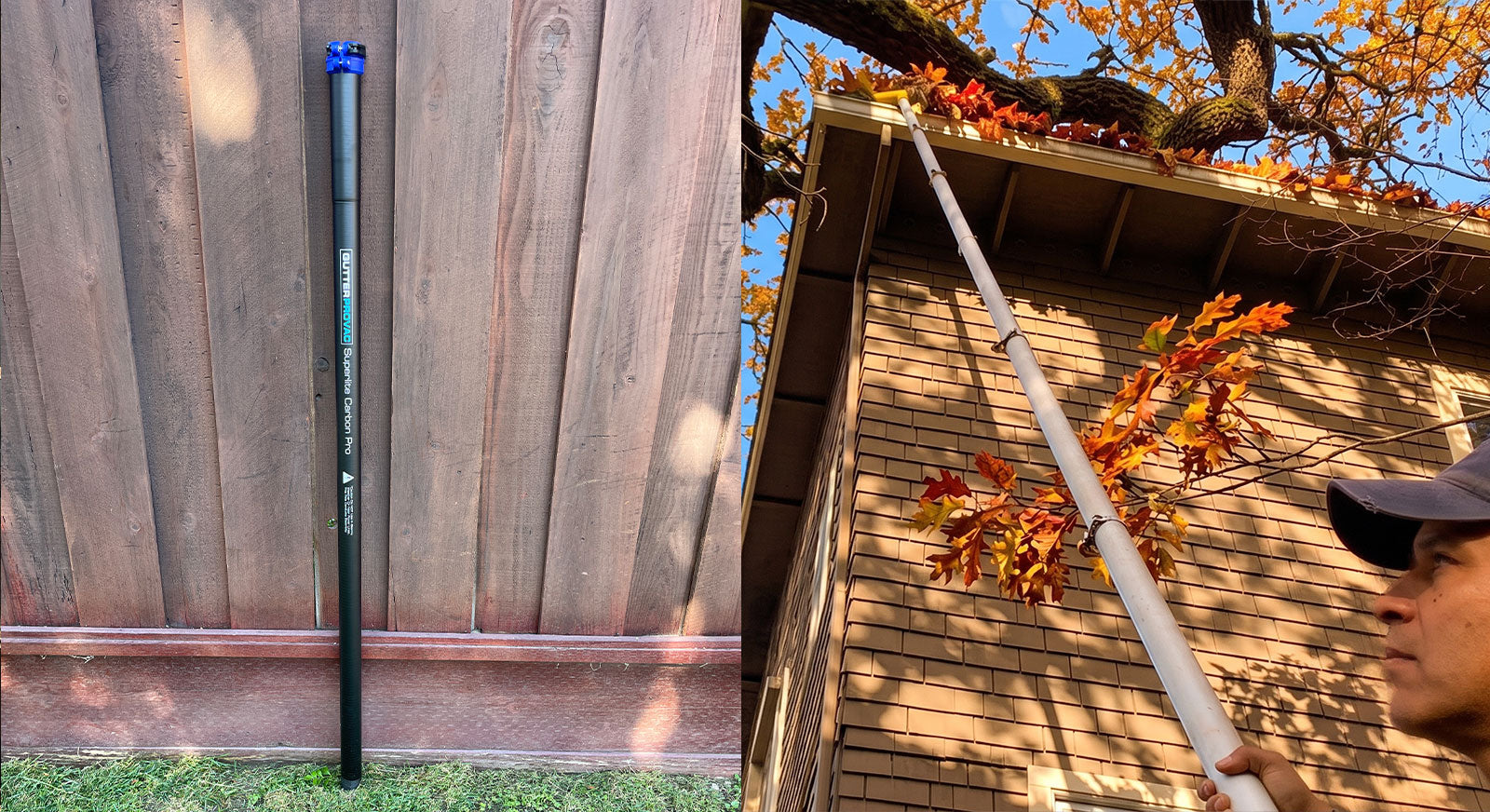
Clearing gutters from the ground only works if the equipment pulling the debris is actually up to the job. Whether you’re a contractor running jobs all week or a homeowner who just wants to stop wrestling ladders twice a year, the right setup saves time, strain, and a lot of bad language.
This guide breaks down the core components of a gutter vacuum system and what actually matters when choosing them—based on how these systems are used in the real world, not in a video or photo.
Core Components for Effective Gutter Cleaning
1. Gutter Vacuum Unit
Power and Capacity
The vacuum unit is the core of the system, and its performance determines how efficiently you can remove wet leaves, sludge, and compacted debris.
Residential and light commercial use: Electric gutter vacuums in the 2200–2400W range are well-suited for single-story homes and lighter debris loads when a standard 120V power source is available.
Professional use: Commercial gutter vacuum systems operate at 3600W and require a gas-powered generator with a minimum of 5,500 running watts. These systems are designed for demanding, all-day use and provide consistent suction regardless of site conditions. Generator power also ensures you are not dependent on on-site electrical access, which is often limited or unavailable on commercial properties.
Tank Size and Design
Tank capacity directly impacts productivity. Larger tanks mean fewer stops to empty debris, which matters on bigger jobs. Practical features such as integrated drain hoses and tilt hinges significantly speed up cleanup at the end of a job.
Both stainless steel and polypropylene tanks are used in professional systems. Stainless steel offers durability and impact resistance, while polypropylene tanks are lightweight, corrosion-resistant, and hold up well under regular commercial use.
Frame and Mobility
The frame is just as important as the tank. Look for systems built on powder-coated steel frames that can handle repeated loading, transport, and job-site abuse. Mobility features such as all-terrain wheels for rough ground, along with locking, easy-roll casters, make it far easier to move the unit safely across driveways, lawns, gravel, and uneven surfaces.
A solid frame and quality wheel setup don’t just improve convenience — they protect the vacuum and tank from unnecessary stress over time.
Power Source Reality Check
Most residential gutter vacuums are built to run on a standard 120V outlet. Commercial 3600W systems draw much more power and need a gas generator rated for at least 5,500 running watts to deliver stable current. Using the proper power source helps the motors spin at the correct speed, keeps suction consistent, and prevents voltage drop or overheating that can lead to equipment damage or voided warranties.
2. Gutter Poles
Material Choices
Aluminum poles - a good, everyday option. They’re sturdy, reasonably priced, and light enough that most homeowners—or anyone who only uses them now and then—can work with them comfortably.
Carbon fiber poles - costs more, but the drop in weight is noticeable. If you’re working overhead for hours at a time, that lighter pole makes a big difference — less strain on your shoulders and better control when you’re up high.
(Some systems also use Kevlar-reinforced carbon poles to improve electrical resistance and structural strength—an important safety upgrade around overhead lines.)
Reach and Adjustability
Make sure your pole system can comfortably reach the heights you work on most. Clamp-style poles with quick-locking mechanisms let you adjust length easily without fighting loose sections or slipping joints.
3. Vacuum Hose
Diameter and Flexibility
Hose size affects both suction and handling. A properly sized internal diameter keeps airflow strong without turning the hose into a stiff wrestling match.
Look for hoses that:
- Resist collapsing under suction
- Stay flexible in colder weather
- Handle bends and corners without pinching
Cheap hose is one of the fastest ways to kill performance in an otherwise good system.
Hose Length Considerations
Hose length plays a bigger role in performance than many people realize. Shorter hose runs keep suction stronger and are good for most residential jobs, especially when you can position the vacuum close to the house.
If you’re working on larger properties, a longer hose gives you the reach you need—just keep in mind that adding too much length can reduce airflow if the system isn’t designed for it. Use only as much hose as the job requires, and make sure any extended runs are matched with a vacuum that can hold steady suction from start to finish.
4. Nozzles and Attachments
Right Tool for the Right Mess
Different debris needs different tools. A solid kit should include:
- Wide nozzles for open, leaf-filled gutters
- Narrow or angled tools for compacted sludge and tight corners
- Scraper or gulper-style heads for heavy buildup
Having multiple options on hand keeps you from forcing the wrong tool into the job and wasting time.
The Role of the U-Bend (Swan / Gooseneck)
The U-bend connects the pole to the nozzle and determines how easily you can work inside the gutter rather than just above it. Choosing the right style affects control, visibility, and how much effort it takes to stay aligned while working at height.
Soft silicone U-bends are flexible and forgiving. They’re useful when working around awkward gutter angles or uneven rooflines and can absorb minor impacts without damage. That flexibility, however, can allow the nozzle to twist or collapse under heavier debris, especially at longer pole lengths.
Rigid carbon fiber swan or goosenecks offer far greater control. Their fixed shape keeps the nozzle properly aligned in the gutter, improving suction efficiency and reducing the need to fight the tool while working overhead. Rigid necks are especially effective for compacted debris and professional, high-reach work where precision matters.
In short, flexible U-bends are more adaptable, while rigid carbon swan necks offer stability and control. Matching the U-bend to the type of debris and working height makes a big difference in both performance and user fatigue.
Durability Matters
Attachments take abuse. Aluminum, carbon fiber, and reinforced silicone hold up far better than brittle plastics, especially when they’re dropped, dragged, or slammed into gutter edges.
5. Debris Capture and Filtration
Filter Design
A good filter does two things: protects the motors and keeps suction consistent. Poor filtration leads to clogged airflow, overheated motors, and expensive repairs.
Ease of Cleaning
Filters should be easy to access and clean between jobs. If servicing the filter is a chore, it won’t get done—and performance will suffer.
Final Thoughts
Selecting your gutter vacuum system isn’t about buying the biggest machine on the page—it’s about choosing components that work together and fit your workload and how you actually clean gutters.
For professionals, the payoff is faster jobs, fewer breakdowns, and equipment that holds up to constant use. For homeowners, it means safer cleaning from the ground and fewer weekend battles with ladders and leaf sludge.
Spend the money where it counts: strong suction, durable poles, proper filtration, and attachments that don’t quit when things get ugly. Do that, and your system will work with you instead of against you—always a good outcome.
FAQ
What should I consider when selecting components for my gutter vacuum system?
Focus on debris type, gutter height, and how often you’ll use the system. Match vacuum power to the workload, choose poles that are manageable at full extension, and make sure compatible attachments are available for the jobs you do most.
How do I choose the right attachments?
Pick attachments designed for the debris you encounter—wide nozzles for loose leaves, narrow or angled tools for compacted material. Always confirm compatibility with your hose and pole diameter.
Can gutter vacuums be used for commercial work?
Yes—but only if the system is designed for it. Commercial work requires higher suction, durable components, and reliable filtration. Residential machines generally aren’t built for sustained daily use.
How can I improve system efficiency?
Keep filters clean, check hoses for restrictions, and use the correct nozzle for the debris. Most performance issues come from airflow loss, not lack of motor power.
Why is tool selection so important?
The wrong tools slow you down and increase wear on your equipment. Proper poles and attachments let you clean safely from the ground while maintaining control and efficiency.
What should I look for in a high-reach gutter vacuum?
Adjustable, lightweight poles; strong suction capable of lifting wet debris at height; and stable equipment that’s easy to maneuver. If it’s exhausting to use, it won’t get used properly.
What are the benefits of investing in a professional gutter vacuum system instead of manual cleaning?
A professional gutter vacuum system allows you to clean gutters safely from the ground, eliminating ladder risks and reducing job time. With the right vacuum, pole system, and attachments, a single operator can handle multi-story buildings, dense debris, and wet blockages without climbing ladders or on the roof. The result is faster jobs, higher margins, fewer injuries, and better scalability for your business.