FAST & FREE U.S. Shipping!
 Financing Available!
 Prices Locked! Beat Tariffs!
 12-Month Warranty
 Proud U.S. Company
 Now Shipping to Canada!
 Call Us Now (800) 617-9522




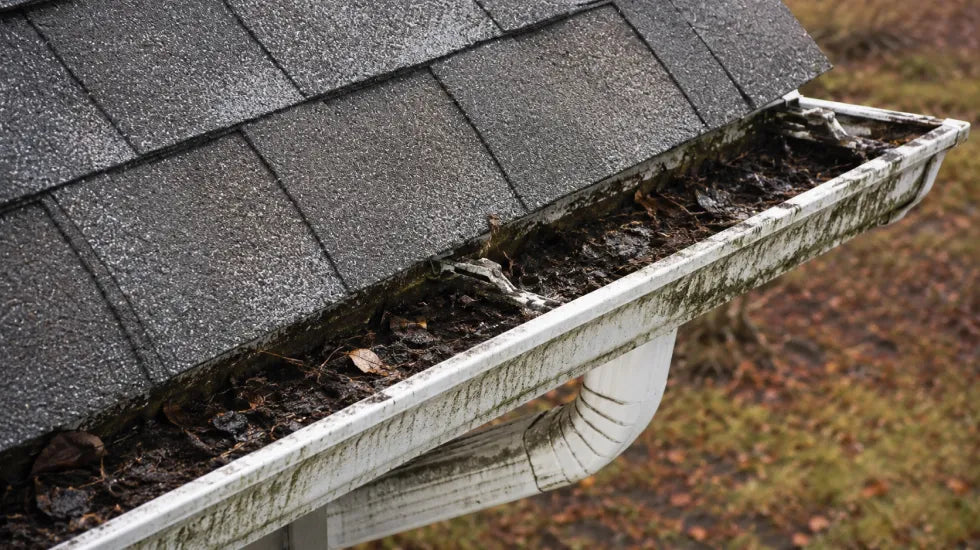
Neglected gutters may seem like a minor home maintenance issue, but the cost of neglecting them can escalate quickly. When leaves, dirt, roof grit, and storm debris block the gutter channel, water can no longer drain the way the system was designed to. Instead, it spills over the sides, backs up near the roofline, runs down exterior walls, or pools near the foundation.
That is where the real cost begins.
Regular gutter cleaning helps protect the roof, siding, foundation, and landscape from water damage. For homeowners, it is a preventive step that can reduce long-term repair costs. For gutter cleaning companies and exterior cleaning professionals, it is also a valuable service that helps customers understand the value of protecting their property.
This guide explains how clogged gutters lead to damage, what warning signs to watch for, and how regular gutter maintenance can prevent some of the most expensive home repairs homeowners face.
How Clogged Gutters Cause Water Overflow
Gutters are designed to collect rainwater from the roof and move it through the downspouts, away from the home. When debris builds up inside the gutter system, water flow slows or stops entirely.
At first, the blockage is often small. A few leaves near a downspout can trap more dirt, twigs, and roof grit. Over time, the debris becomes wet, compacted, and heavier, and once water has nowhere to go, it starts to overflow.
Overflow from clogged gutters can lead to:
- Water spilling over the roofline
- Gutters pulling away from the fascia
- Water running down siding and trim
- Pooling water near the foundation
- Soil erosion below the gutter line
- Downspout backups
A gutter system does not need to be completely packed with debris to cause damage. Even one clogged section or blocked downspout can create overflow during a heavy storm.
How Neglected Gutters Damage the Roof, Siding, and Exterior Trim
When gutters overflow repeatedly, the areas closest to the roofline are usually the first to show damage. This includes the roof edge, fascia boards, soffits, siding, and exterior trim.
Roofline Damage
If water cannot drain properly, it may back up under shingles or roofing materials. Over time, this can compromise underlayment and roof decking, increasing the risk of rot and leaks. The damage isn't always visible right away — many homeowners only notice it after seeing water stains or damp insulation inside the home.
Siding, Fascia, and Soffit Damage
Overflowing gutters can send dirty water down exterior walls, leaving stains, mildew marks, peeling paint, or streaks on the siding. If water repeatedly sits near wood trim, fascia, or soffits, it can lead to soft spots, rot, or weakened structural materials.
This is one reason gutter cleaning is about more than just removing leaves — a clear drainage channel helps protect the entire exterior structure of the home.
Why Foundation Problems Often Start at the Roofline
Foundation repairs may not seem connected to gutter maintenance, but poor drainage often starts at the roofline. When gutters overflow, rainwater lands directly beside the home instead of being directed away through the downspouts.
Over time, this can saturate the soil around the foundation. Saturated soil can expand, shift, or lose stability, which may contribute to cracks, settling, or water intrusion — the kind of structural damage that leads to costly foundation repairs.
Signs of Drainage-Related Foundation Problems
- Standing water pooling near the home
- Cracks around the foundation
- Damp basement walls
- Musty smells
- Crawl space moisture
- Mold growth near lower walls
- Water stains after a storm
A clogged downspout can create the same risk. Even if the gutter channel looks mostly clear, water cannot drain correctly if the downspout is blocked — which is why gutter maintenance should always include checking downspouts, not just clearing visible debris from the top of the gutter.
Mold, Mildew, and Pest Problems from Neglected Gutters
Clogged gutters create moisture, and moisture creates the conditions for mold, mildew, and pest infestation.
Mold and Mildew
When water repeatedly spills onto siding, roof edges, trim, or foundation walls, it creates damp conditions where mold growth can take hold. This affects curb appeal and, if moisture reaches the interior of your home through basements, crawl spaces, or attics, it can lead to expensive remediation and real health risks for occupants.
Mold and mildew commonly appear around:
- Siding
- Fascia and soffits
- Basement walls
- Crawl spaces
- Attic areas
- Window and door frames
Preventing excess moisture is far easier — and less costly — than dealing with mold cleanup later.
Pest Activity
Wet debris inside gutters can also attract pests. Standing water draws mosquitoes, while leaves and organic buildup can attract insects, birds, rodents, and nesting pests.
Pest problems commonly linked to clogged gutters include:
- Mosquitoes breeding in standing water
- Ants and insects near damp wood
- Birds and rodents nesting near the roofline
- Wasps or other pests gathering around blocked areas
For gutter cleaning companies, this is a valuable customer education point — many homeowners don't realize that pest activity near the roofline can trace back to a clogged gutter system.
How Poor Drainage Damages Landscaping and Hardscaping
Overflowing gutters don't just affect the house. When water falls in heavy sheets instead of flowing through the downspouts, it can wash away mulch, damage flower beds, expose roots, and erode soil across the landscape.
This kind of drainage damage can include:
- Washed-out mulch and damaged flower beds
- Soil erosion and exposed plant roots
- Muddy or uneven ground near the home
Hardscaping can also take a hit. Dirty roof runoff can stain walkways, patios, and driveways, and repeated overflow in the same spot makes the erosion and staining more noticeable over time. For exterior cleaning businesses, this creates a natural connection between gutter cleaning, pressure washing, and seasonal property maintenance.
Warning Signs That Skipping Gutter Maintenance Is Already Causing Problems
Many gutter problems show visible warning signs long before major damage sets in. Homeowners and service professionals should watch for:
- Water overflowing during rain
- Sagging or pulling gutters
- Stains on siding or fascia
- Peeling paint near the roofline
- Standing water pooling near the foundation
- Soil erosion below the gutters
- Plants growing inside the gutters
- Damp basement or crawl space areas
- Pest activity near the roofline
- Little or no water coming from downspouts
- Mold or mildew near exterior walls
These signs help homeowners know when it's time to schedule cleaning. They also help gutter cleaning professionals explain the risk of delay and the value of regular maintenance. Before-and-after photos can make this even more effective — most homeowners can't see what's happening inside their gutters from the ground, so showing the buildup and the cleaned result helps build trust.
Why Regular Gutter Maintenance Matters Season to Season
Gutter problems can happen year-round, but certain seasons make neglect worse.
In fall, leaves can quickly fill the gutter channel and block downspouts. In spring, pollen, seed pods, roof grit, and small debris collect inside the system. After a storm, branches and heavy rain can turn a minor clog into a full overflow.
Routine gutter cleaning keeps the drainage system ready before heavy rainfall or seasonal debris buildup becomes a bigger issue. For many homeowners, spring and fall are the two key windows to inspect and clean gutters. For gutter cleaning companies, these seasons are also strong opportunities to offer maintenance plans and service reminders.
How Professional Gutter Cleaning Helps Protect the Property Long Term
Professional gutter cleaning does more than clear leaves — it helps confirm the entire drainage system is working the way it should.
A thorough cleaning visit may catch the following:
- Clogged downspouts
- Loose brackets
- Sagging gutters
- Leaking seams
- Debris-heavy roof valleys
- Fascia damage
- Pest activity
- Overflow points
- Water pooling near the foundation
Catching these issues early gives homeowners a clearer picture of their property's condition and helps them address small repairs before they turn into significant damage. For gutter cleaning companies and exterior cleaning businesses, this is also a strong opportunity to position gutter cleaning as a property protection service rather than a one-time task.
Conclusion: Neglecting Your Gutters Costs More Than Most People Realize
The cost of neglecting your gutters goes well beyond water spilling over the sides. Left unaddressed, clogged gutters can contribute to roof damage, siding stains, fascia rot, foundation repairs, basement moisture, mold growth, pest infestation, and landscape erosion.
For homeowners, routine gutter maintenance is one of the simplest ways to prevent these avoidable, expensive home repairs. For gutter cleaning companies and exterior cleaning professionals, it's a service that helps customers protect their homes and avoid much larger repair costs down the road.
A clear gutter system does one job — moving water away from the roofline, walls, and foundation — but that simple function plays a major role in long-term property protection.
For professionals looking to improve their gutter cleaning process, Gutter Pro Vac offers gutter vacuum systems and accessories built to support safer, more effective debris removal from the ground.
FAQ
What is the real cost of neglected gutters?
Neglected gutters can lead to far more than a quick cleanup. Overflowing water can damage the roofline, siding, and fascia, saturate soil near the foundation, and create the damp conditions that lead to mold and pest problems. Routine cleaning and twice-a-year inspections are one of the simplest ways to avoid these larger repair costs down the line.
How often should gutters be cleaned and inspected?
Most homes should have gutters cleaned and inspected twice a year, in spring and fall. Properties with heavy tree coverage or frequent storms may need service more often. Staying on this schedule helps catch small clogs and leaks before they turn into bigger, more expensive problems.
Can neglected gutters really cause structural damage?
Yes. When gutters overflow repeatedly, water can back up under roofing materials, soak into fascia and soffits, and saturate the soil around the foundation. Over time, this can weaken roof decking, rot exterior trim, and contribute to foundation cracks or shifting. Regular cleaning helps prevent this kind of damage before it starts.
What health risks are tied to clogged gutters?
Standing water and trapped debris create damp conditions where mold and mildew can grow, which can affect air quality if moisture reaches the attic, crawl space, or basement. Clogged gutters can also attract mosquitoes, insects, and rodents, adding pest activity to the list of risks from neglected maintenance.
How do clogged gutters lead to foundation problems?
When gutters overflow instead of directing water through the downspouts, rainwater lands right next to the house instead of away from it. Over time, this saturates the soil around the foundation, which can cause it to shift or crack. Keeping gutters and downspouts clear is one of the most effective ways to protect the foundation from water damage.
Is routine gutter maintenance cheaper than dealing with repairs later?
Generally, yes. Routine cleaning and minor repairs cost far less than the alternative — replacing rotted fascia, repairing foundation damage, or addressing mold remediation after water has been getting in unnoticed. Staying ahead of small issues with regular maintenance is almost always more cost-effective than fixing the damage neglect causes.
What signs mean it's time to clean or inspect the gutters?
Watch for water overflowing during rain, sagging or pulling gutters, stains on siding or fascia, water pooling near the foundation, plant growth inside the gutter, or little to no water coming from the downspouts. These are all signs that debris has built up enough to affect drainage and it's time for a cleaning.
Do gutter guards prevent all of these problems?
Gutter guards reduce how much debris enters the gutter and can extend the time between cleanings, but they don't eliminate the need for maintenance. Fine debris can still collect on top of the guards or around the downspout, so periodic inspection and cleaning are still necessary to keep water moving properly.
What's the most effective way to stay ahead of these costs long-term?
Sticking to a regular cleaning schedule — twice a year, plus after major storms — is the most effective way to avoid bigger repair bills. A ground-based gutter vacuum system, like the ones Gutter Pro Vac offers, makes it easier to keep up with that schedule safely, since it clears debris from the gutter and downspout without requiring ladder work.